
Exciting New Opportunity for Physics Laboratory Experts at a Leading Australian University
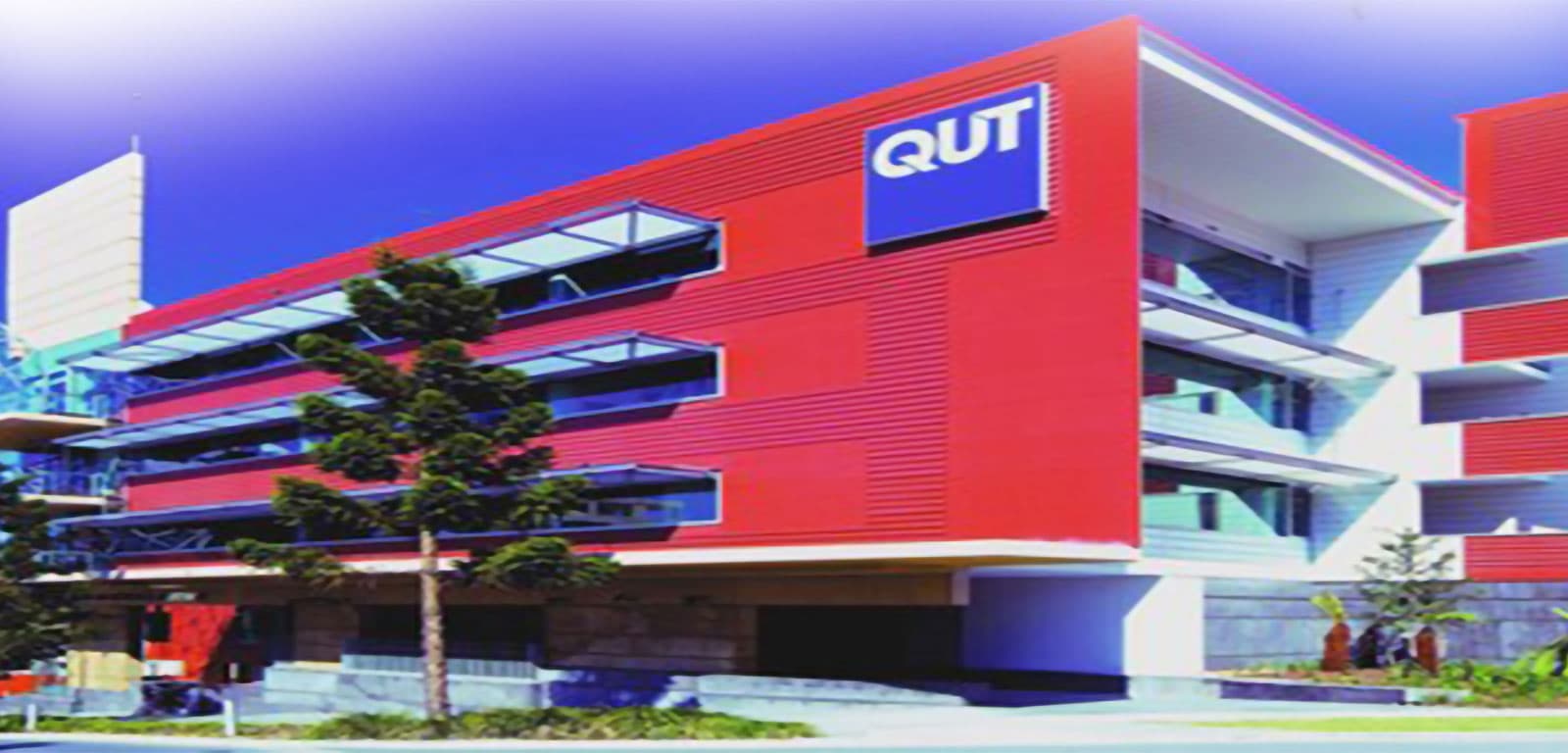
A prominent position has opened for a Senior Technician in Physics at Queensland University of Technology (QUT) in Brisbane. This role offers experienced professionals the chance to lead specialised laboratory operations, support cutting-edge teaching and research, and contribute to a dynamic academic environment focused on real-world impact.
The position is based at the Gardens Point campus and forms part of the Faculty of Science's technical services team. It emphasises hands-on expertise in physics principles, laboratory management, and collaboration with academics to deliver high-quality practical learning experiences for students while enabling innovative research projects.
Understanding the Senior Technician Role in University Physics Settings
In higher education institutions across Australia, senior technicians play a pivotal role in bridging theoretical knowledge and practical application. They manage day-to-day operations of laboratories equipped for experiments in areas such as mechanics, optics, electromagnetism, quantum physics, and nuclear science. This involves maintaining sophisticated equipment, ensuring compliance with safety standards, and preparing demonstrations that bring complex concepts to life for undergraduate and postgraduate learners.
Technicians in these environments often work with sensitive instruments including oscilloscopes, spectrometers, lasers, vacuum systems, and radiation detection devices. Their expertise helps academics design experiments that align with curriculum goals and research objectives, fostering an engaging educational experience that prepares graduates for careers in science, engineering, and technology sectors.
The demand for skilled technical support staff has grown alongside Australia's emphasis on STEM education and research excellence. Universities rely on these professionals to sustain high standards in lab facilities, which are essential for attracting top students and securing competitive research funding.
QUT's Commitment to Science and Innovation
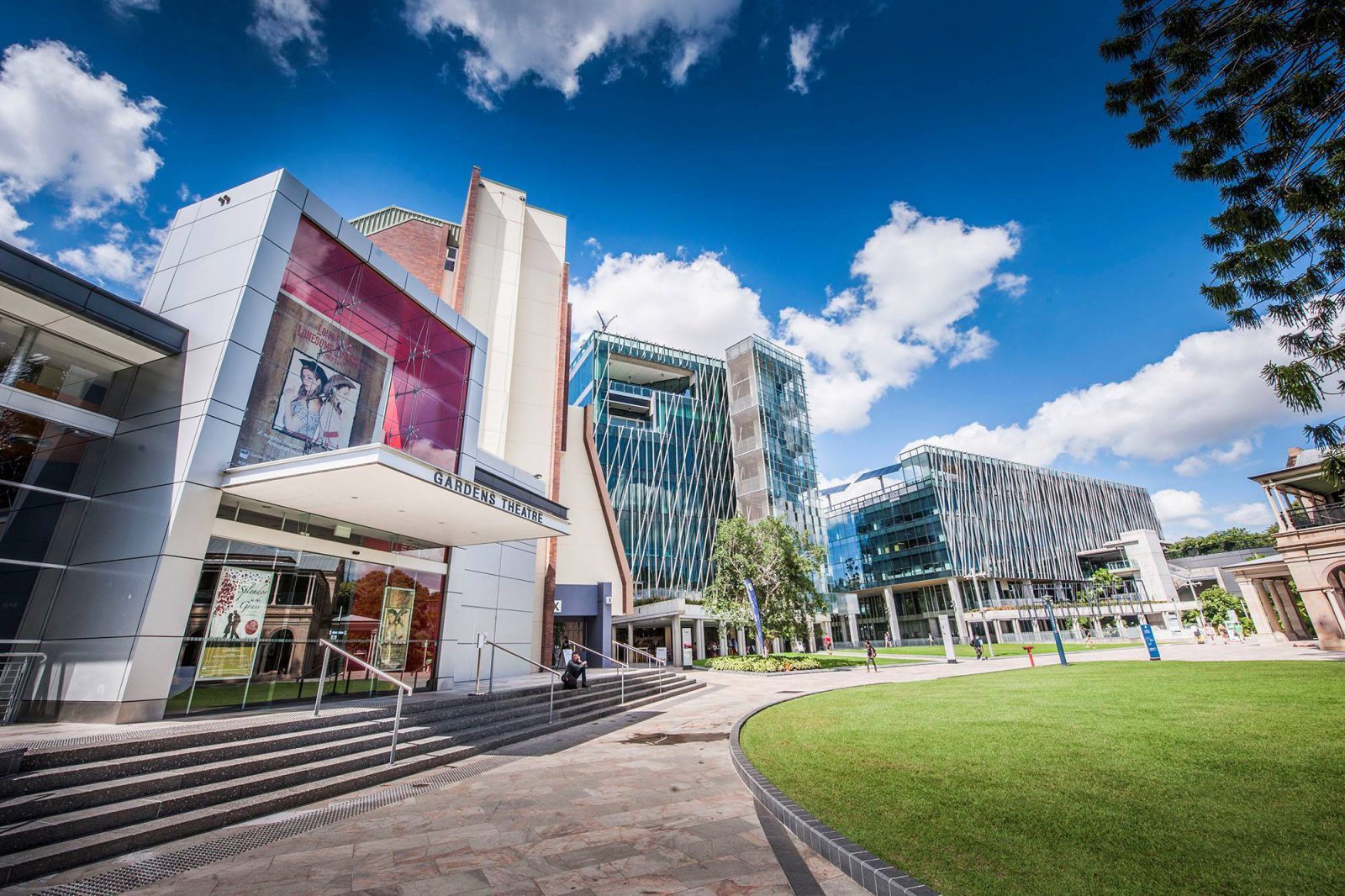
Queensland University of Technology stands out as a forward-thinking institution with a strong focus on applied learning and industry partnerships. Its Faculty of Science encompasses programs in physics, chemistry, biology, and related disciplines, supported by state-of-the-art facilities at the Gardens Point campus in central Brisbane.
The university's technical services team operates within a collaborative framework that prioritises efficiency, safety, and responsiveness. Staff in these roles contribute to a service-oriented culture that allows academics and students to concentrate on discovery and learning. QUT's strategic priorities include advancing Indigenous Australian success and fostering diversity, which are reflected in recruitment practices for technical positions.
Working at QUT provides exposure to a vibrant campus community in one of Australia's most liveable cities, with opportunities to engage in professional development and cross-disciplinary initiatives.
Key Responsibilities and Daily Operations
The Senior Technician will take ownership of specialised physics laboratories, overseeing their effective, safe, and sustainable operation. Core duties include interpreting requirements from academics and students, then translating them into practical laboratory solutions using advanced physics knowledge.
Daily tasks encompass equipment calibration and maintenance, development of technical documentation, inventory management, and implementation of health and safety protocols. The role also involves promoting a positive safety culture, which is critical in environments handling potentially hazardous materials or radiation sources.
Collaboration is central: technicians partner closely with faculty to refine experimental setups, troubleshoot issues, and support both teaching laboratories and research activities. This hands-on involvement ensures laboratories remain responsive to evolving educational needs and research demands.
- Preparing and setting up experiments for undergraduate classes
- Managing procurement and maintenance of physics-specific equipment
- Providing training and guidance on safe laboratory practices
- Contributing to process improvements for technical support services
Essential Qualifications, Skills, and Experience
Candidates typically hold a relevant degree in physics or a related field, combined with substantial practical experience in laboratory settings. Equivalent combinations of education and hands-on training are also considered, particularly where applicants have demonstrated expertise in physics laboratory environments.
Strong applicants will show the ability to apply core physics principles across educational and research contexts, manage competing priorities in complex settings, and communicate technical information clearly through documentation and training sessions.
A standout requirement is possession of, or the capacity to obtain, certification for handling radioactive sources, such as a Radiation Safety Officer Certification or user licence for sealed and unsealed sources. This reflects the specialised nature of many university physics labs.
Additional attributes include a commitment to equity, diversity, and Indigenous Australian engagement, aligning with QUT's values of ambition, integrity, inclusiveness, innovation, and academic freedom.

Remuneration, Benefits, and Work-Life Balance at QUT
The role is classified at HEW Level 6, with a total remuneration package ranging from $111,341 to $120,557 per annum. This includes a base salary component, 17% superannuation, and 17.5% recreation leave loading, providing competitive compensation within the Australian higher education sector.
Beyond salary, QUT offers attractive conditions including flexible work arrangements where applicable, generous parental leave provisions, access to fitness programs, salary packaging options, and opportunities for purchased leave. Professional development support, including study assistance, helps staff advance their careers while contributing to the university's mission.
These benefits reflect broader trends in Australian universities, where technical and professional staff enjoy stable employment conditions and pathways for growth in supportive institutional cultures.
The Importance of Technical Expertise in Physics Education and Research
High-quality technical support underpins successful physics programs at universities. Technicians enable students to conduct meaningful experiments that reinforce theoretical concepts, develop problem-solving abilities, and build confidence in scientific methods. In research contexts, they facilitate the reliable operation of advanced instrumentation essential for groundbreaking work in areas like materials science, photonics, and astrophysics.
Australia's higher education sector continues to invest in STEM infrastructure to address national priorities such as renewable energy, advanced manufacturing, and health technologies. Skilled technicians are integral to maximising the return on these investments by ensuring facilities operate at peak efficiency.
Roles like this one highlight the evolving nature of technical positions, which now demand a blend of traditional laboratory skills, digital literacy, and interpersonal abilities to support diverse stakeholders effectively.
Career Pathways and Professional Development for Laboratory Technicians
Positions at the senior technician level often serve as stepping stones to leadership roles within technical services teams or specialised areas such as instrumentation management and laboratory safety coordination. Many professionals progress by gaining additional certifications, pursuing further education, or taking on mentoring responsibilities for junior staff.
In the Australian context, experience in university settings is highly valued across the higher education sector and related industries. Technicians with physics expertise frequently transition into roles in government laboratories, private research organisations, or educational technology companies.
Continuous learning is encouraged, with opportunities to attend workshops, conferences, and training programs that keep skills aligned with emerging technologies and best practices in laboratory management.
Application Process and Tips for Prospective Candidates
Applications for this position opened recently and close on 6 July 2026. Interested individuals should prepare a detailed application demonstrating how their experience aligns with the selection criteria, including examples of laboratory leadership, safety initiatives, and collaborative projects.
Highlighting any prior work with radiation sources or advanced physics equipment will strengthen an application. References from academic supervisors or laboratory managers can provide valuable insights into an applicant's technical capabilities and teamwork approach.
Early submission is advisable given the competitive nature of university technical roles. Candidates are encouraged to review the full position description available through official university channels for comprehensive details on expectations and the application portal.
Broader Context: Technical Roles in Australian Higher Education
Technical support positions contribute significantly to the operational excellence of universities nationwide. They help maintain Australia's reputation for high-quality science education and research output, which in turn supports economic growth and innovation.
With ongoing developments in laboratory automation, data analytics, and sustainable practices, technicians who adapt to new technologies position themselves well for long-term career success. Institutions like QUT actively seek individuals who bring both depth of knowledge and a service mindset to these evolving roles.
This opportunity represents a chance to join a forward-looking team at a time when demand for STEM expertise continues to rise across the education and research landscape.
Future Outlook for Physics Technicians in Universities
As universities expand their research capabilities and refine teaching methodologies, the need for experienced senior technicians is expected to remain strong. Factors such as increased focus on interdisciplinary projects, enhanced safety regulations, and the integration of digital tools into laboratory work will shape the evolution of these positions.
Professionals entering or advancing in this field can anticipate rewarding careers that combine technical challenge with meaningful contributions to student success and scientific advancement. Institutions across Australia continue to recognise the value of stable, skilled technical teams in achieving strategic goals.
Exploring opportunities like the one at QUT allows candidates to assess how their expertise fits within the dynamic higher education environment and plan their next career move accordingly.


