
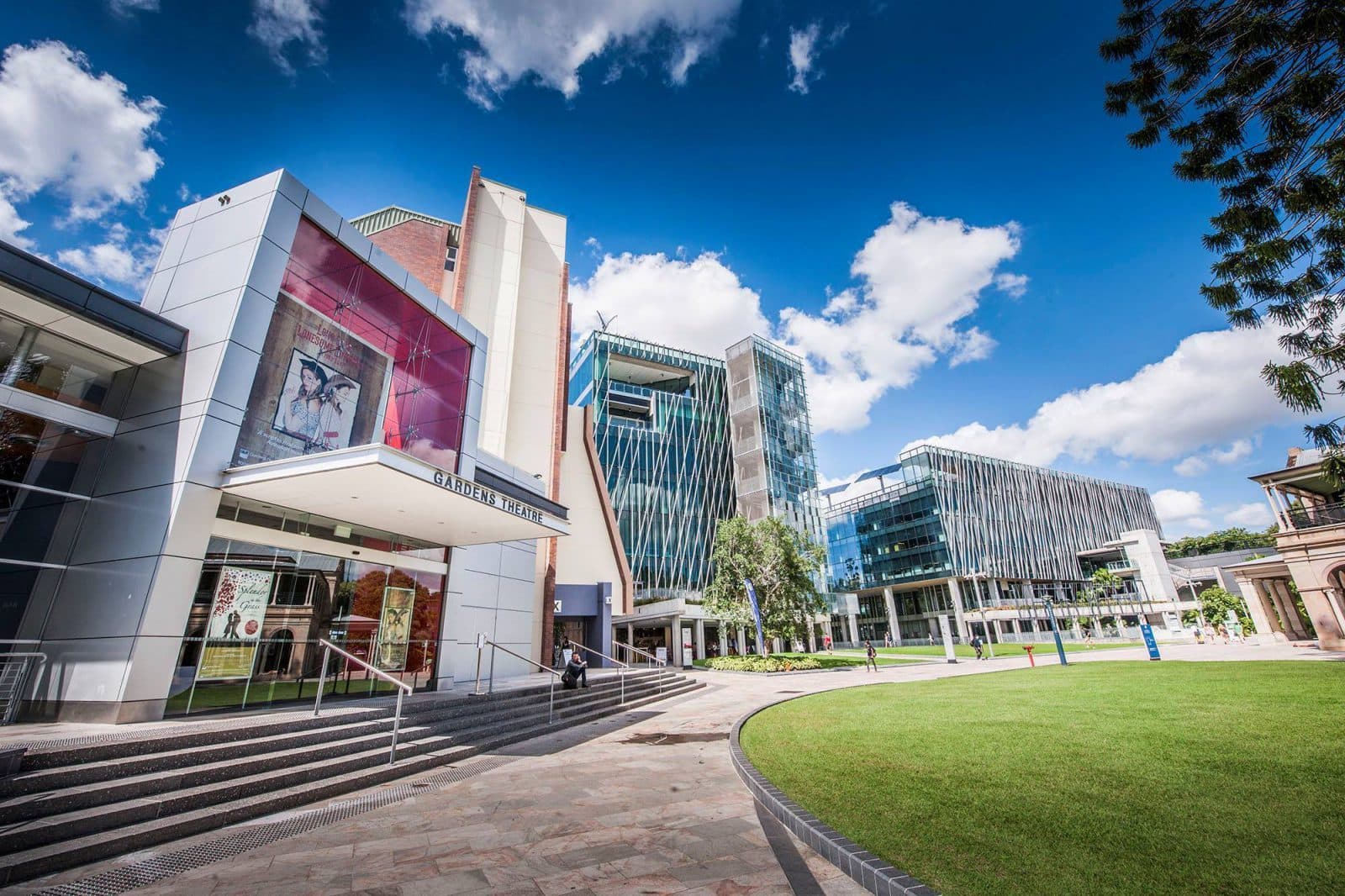
In Australia's dynamic higher education landscape, roles that optimize physical environments for collaboration are becoming increasingly vital. The Collaboration Spaces Audit Officer position at Queensland University of Technology (QUT) represents a targeted opportunity to contribute directly to the effective management of learning and research environments across its Brisbane campuses.
Understanding the Role of Collaboration Spaces in Modern Universities
Collaboration spaces in higher education settings encompass dedicated areas designed to foster interaction, group work, and knowledge sharing among students, researchers, and staff. These include flexible meeting rooms, open-plan study zones, innovation hubs, and technology-enabled project spaces. At institutions like QUT, such environments support everything from undergraduate group projects to interdisciplinary research teams working on real-world challenges in fields like health, engineering, and creative industries.
Effective management of these spaces ensures they meet evolving needs, such as hybrid learning models and increased emphasis on cross-disciplinary teamwork. Without regular assessment, underutilized areas can lead to inefficient resource allocation, while overcrowded zones hinder productivity. The audit process typically involves data collection on usage patterns, occupancy rates, and user feedback to inform improvements.
QUT's Commitment to Innovative Campus Environments
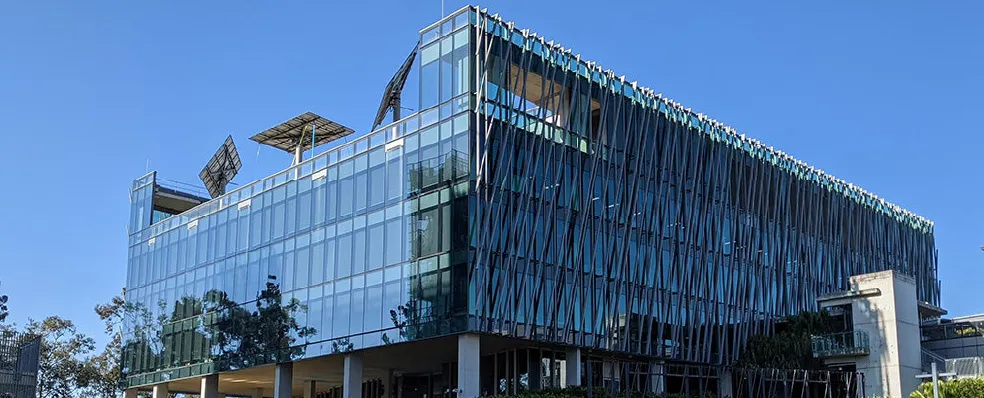
Queensland University of Technology maintains two primary campuses in Brisbane: Gardens Point in the city centre and Kelvin Grove in the vibrant urban village area. Gardens Point hosts faculties focused on business, law, science, engineering, and information technology, while Kelvin Grove supports creative industries, education, health, and justice programs. Both locations feature libraries, specialized laboratories, and collaborative learning zones tailored to support QUT's real-world focus.
The university's approach to space management emphasizes sustainability, accessibility, and adaptability. Policies guide the allocation and utilization of resources to maximize value for the academic community. This includes periodic reviews to align physical infrastructure with strategic goals in teaching, research, and community engagement.
Key Responsibilities in Space Auditing and Optimization
The Collaboration Spaces Audit Officer assists in gathering detailed information on the current condition and usage of collaboration areas at QUT. Core activities often include conducting on-site assessments, compiling utilization data, identifying maintenance needs, and preparing reports that highlight opportunities for enhancement. This role supports broader institutional efforts to create inviting, functional environments that encourage innovation and productivity.
Professionals in similar positions typically work closely with facilities teams, academic staff, and student representatives. They may employ tools such as occupancy sensors, surveys, and scheduling software to build accurate pictures of how spaces perform over time. Findings can influence decisions on furniture reconfiguration, technology upgrades, or even the redesign of underperforming zones.
The Growing Importance of Facilities Management in Australian Higher Education
Australian universities face unique pressures in managing physical assets amid rising student numbers, funding considerations, and post-pandemic shifts toward flexible work and study. Space utilization audits have emerged as a key practice for identifying cost savings, improving student experience, and supporting research output. By optimizing collaboration areas, institutions can better accommodate group-based learning and foster the serendipitous interactions that drive breakthroughs.
Trends indicate a move toward multifunctional spaces that serve multiple purposes, reducing the need for dedicated silos. This evolution requires ongoing monitoring to ensure alignment with user expectations and institutional priorities.
Career Pathways and Skills for Success in University Space Roles
Positions like the Collaboration Spaces Audit Officer offer valuable entry points or advancement opportunities within higher education administration. Relevant backgrounds often include experience in facilities management, project coordination, data analysis, or customer service within educational or corporate settings. Strong organizational abilities, attention to detail, and interpersonal skills are essential for engaging diverse stakeholders.
Professionals in this field may progress to senior roles in campus planning, estates management, or operational leadership. The experience gained provides insights into how physical environments directly influence academic success and institutional reputation.
Benefits of Optimized Collaboration Spaces for Students and Researchers
Well-managed collaboration areas contribute to higher engagement levels, improved learning outcomes, and enhanced research productivity. Students benefit from accessible group study options that complement formal classrooms, while researchers gain environments conducive to team-based inquiry and knowledge exchange.
Institutions report that strategic investments in these spaces can lead to better retention rates and stronger community connections. For QUT specifically, such optimizations align with its mission to deliver practical, industry-relevant education and impactful research.
How to Apply and What Candidates Can Expect
Interested applicants can explore the full details and submit applications through official QUT channels or aggregated academic job platforms. The role is based primarily at the Kelvin Grove campus with responsibilities extending to Gardens Point. Casual arrangements provide flexibility suitable for those balancing other commitments or seeking to gain targeted experience in the sector.
Preparation might involve reviewing QUT's strategic plans and space-related guidelines to demonstrate alignment with institutional values. Highlighting any prior experience with audits, data management, or campus operations strengthens applications.
Future Outlook for University Space Management in Australia
Looking ahead, Australian higher education institutions are expected to continue refining their approaches to space management in response to technological advancements, sustainability targets, and changing pedagogical methods. Roles focused on auditing and optimization will remain important for maintaining competitive, user-centric campuses.
Integration of smart technologies, data analytics, and user-centered design principles will likely shape the next generation of collaboration environments. Professionals entering this area now position themselves well for ongoing contributions to the sector's evolution.
Exploring Related Opportunities in Higher Education Administration
Beyond this specific position, Australia's universities regularly seek talent for roles in facilities, operations, and student support. Exploring broader listings on dedicated academic job sites can reveal complementary opportunities that build expertise in campus environments and institutional effectiveness.


