
Opportunities in Regional Health Education
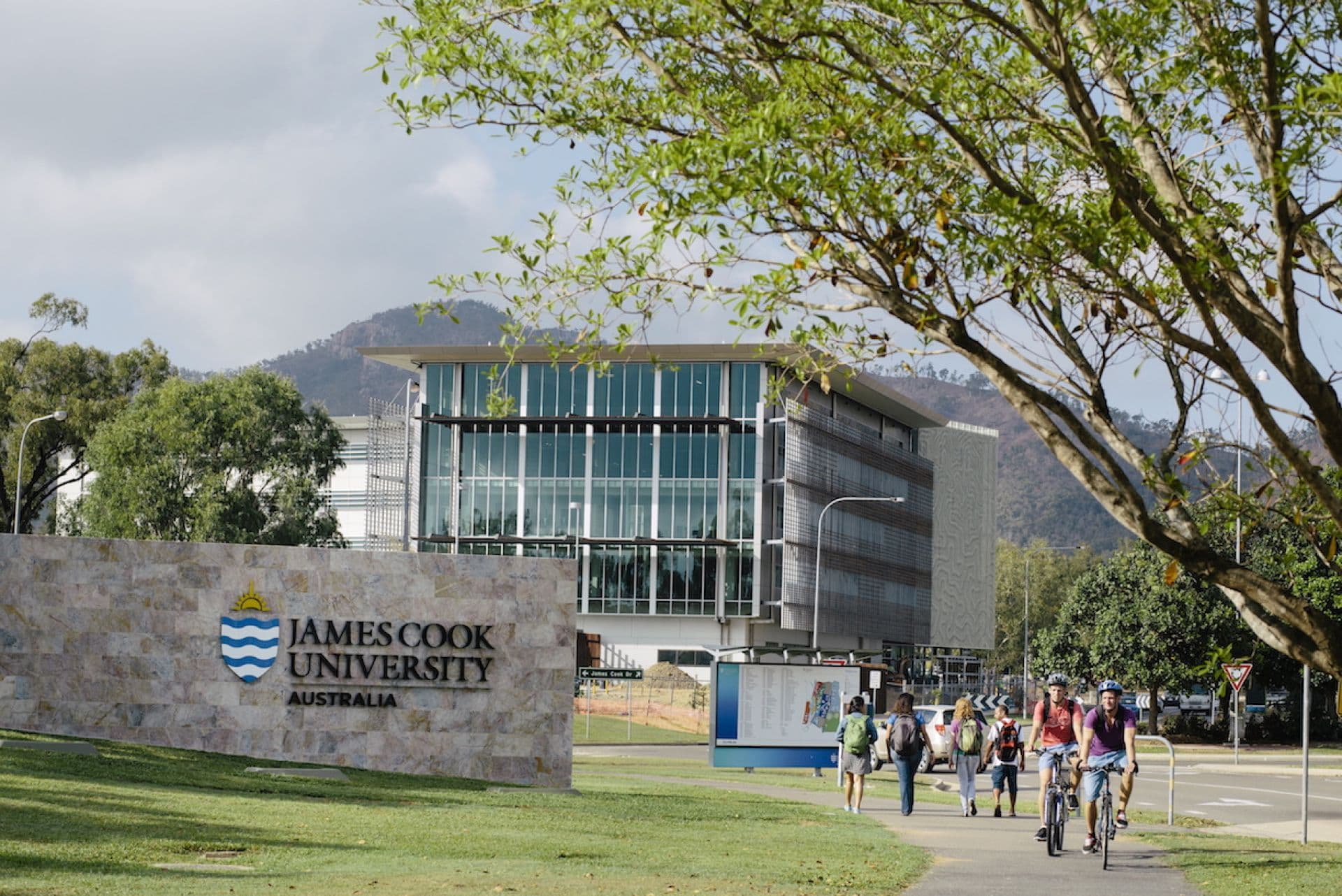
James Cook University in Townsville is seeking a dedicated Lecturer in Occupational Therapy to join its growing team. This full-time continuing role offers an Academic Level B salary ranging from $112,810 to $133,110 plus 17% superannuation, along with flexible work arrangements and a supportive academic environment focused on tropical, rural, and remote health priorities.
The position emphasizes delivering student-centered teaching across undergraduate and postgraduate programs in occupational therapy. Successful candidates will coordinate subjects, contribute to curriculum innovation, supervise students on placements, and develop research aligned with JCU's strategic goals in health outcomes for diverse communities, including First Nations populations.
Understanding the Role of Occupational Therapy in Australia
Occupational therapy is a client-centered health profession that helps people of all ages participate in the activities they need and want to do through the therapeutic use of everyday occupations. Practitioners assess physical, cognitive, and psychosocial needs to develop personalized interventions that promote independence, well-being, and quality of life. In Australia, occupational therapists are registered with the Australian Health Practitioner Regulation Agency (AHPRA) and must meet ongoing professional development requirements to maintain registration.
The profession plays a vital role in settings ranging from hospitals and rehabilitation centers to community health services, schools, aged care, and disability support under the National Disability Insurance Scheme (NDIS). With Australia's aging population and increasing focus on mental health and chronic disease management, demand for qualified occupational therapists continues to rise, particularly in regional areas where access to services can be limited.
James Cook University's Commitment to Allied Health
JCU's Bachelor of Occupational Therapy (Honours) program prepares graduates for practice in complex and diverse healthcare environments, with a strong emphasis on rural and remote settings. Students complete approximately 1,000 hours of clinical placements through partnerships with healthcare providers across North Queensland. The university operates a student-led JCU Health Occupational Therapy Clinic on the Townsville campus, providing hands-on experience while serving the local community, including children, adolescents, and families.
Faculty members contribute to innovative teaching methods, including flexible learning approaches, and engage in research that addresses health challenges unique to tropical and regional Australia. The program aligns with national priorities for building a resilient allied health workforce capable of meeting the needs of underserved populations.
Workforce Demand and Regional Challenges
Australia faces ongoing shortages of occupational therapists, especially in rural, regional, and remote locations. Recent analyses show that while the overall workforce has grown significantly—by more than 10,000 practitioners since 2013—distribution remains skewed toward major cities. Regional Queensland experiences particular pressures due to geographic isolation, higher client needs, and competition for talent from metropolitan areas and the NDIS sector.
Workforce maldistribution means that outer regional and remote areas often have fewer therapists per capita relative to population health requirements. This gap affects timely access to services for NDIS participants, rehabilitation patients, and those requiring assistive technology assessments. Educational institutions like JCU play a critical role in addressing these imbalances by training professionals with the skills and commitment to practice in these settings.
Stakeholders, including Occupational Therapy Australia and health workforce bodies, highlight the need for targeted recruitment, retention incentives, and expanded training pipelines. New graduates frequently receive multiple job offers, underscoring strong employability, yet filling positions in regional Queensland remains challenging for many employers.
Key Responsibilities and Expectations for the Lecturer Role
The successful applicant will deliver engaging lectures, tutorials, and practical sessions while supporting students through academic and placement experiences. Curriculum development will focus on contemporary practices, including acute care, rehabilitation, and culturally safe approaches for First Nations communities.
Research expectations include building a program of scholarship with potential for publications and grants, often in collaboration with industry partners. Community engagement is essential, fostering partnerships that enhance both teaching relevance and real-world impact.
Ideal candidates hold current or eligible AHPRA registration as an occupational therapist, possess tertiary teaching experience, and demonstrate emerging research capability. Experience in rural or remote practice is highly valued, as is enthusiasm for flexible and innovative educational delivery.
Benefits of an Academic Career at JCU Townsville
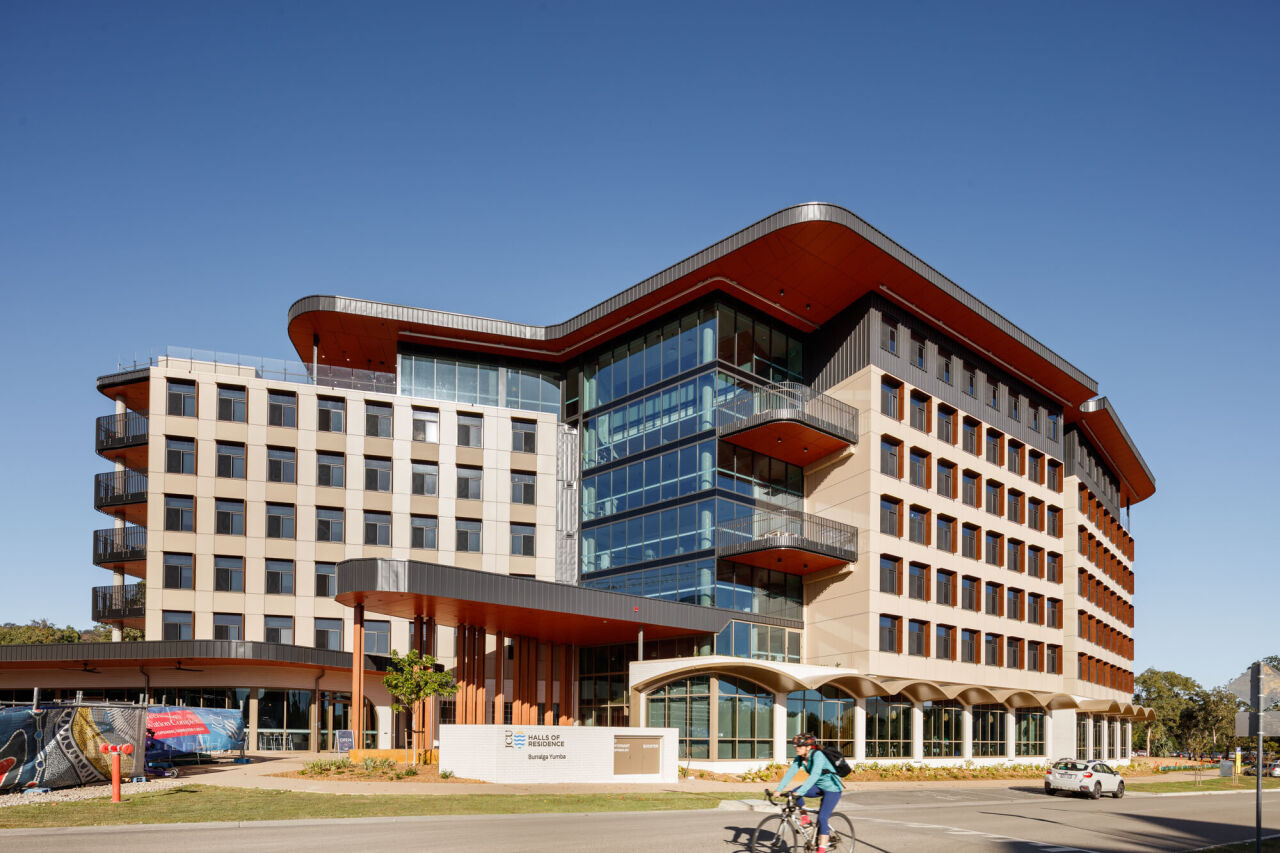
Working at JCU provides more than a competitive salary. Staff enjoy generous leave provisions, professional development support, and the opportunity to contribute to meaningful health improvements in tropical North Queensland. The Bebegu Yumba campus in Townsville is part of a health and knowledge precinct, offering collaborative opportunities across disciplines.
Lifestyle advantages include a tropical climate with abundant sunshine, proximity to the Great Barrier Reef, Magnetic Island, and national parks, plus a lower cost of living and shorter commutes compared to larger cities. These factors support work-life balance for academics and their families.
Flexible work options and a collegial team environment further enhance the appeal for those transitioning from clinical practice or seeking to combine teaching, research, and professional service.
Broader Impacts on Higher Education and Health Outcomes
Academic roles in occupational therapy directly influence the future workforce. By mentoring students and shaping curricula, lecturers help ensure graduates are equipped for the realities of regional practice, including cultural competence and interprofessional collaboration.
Research emerging from such positions can inform policy on workforce distribution, telehealth applications in remote areas, and interventions tailored to tropical environments. Partnerships with local health services strengthen the pipeline from education to employment, benefiting communities that rely on allied health professionals.
Perspectives from current JCU faculty and students underscore the value of hands-on, place-based learning that prepares practitioners for the unique challenges of North Queensland healthcare delivery.
Application Process and Timeline
Interested candidates should prepare a current resume and a cover letter addressing key selection criteria, including teaching experience, research potential, and commitment to regional health. Applications close on 12 July 2026.
Enquiries can be directed to Dr. Dan Lowrie at daniel.lowrie@jcu.edu.au or by phone. Full details, including the position description, are available through JCU's careers portal.
This is an excellent opportunity for experienced clinicians or early-career academics passionate about education and improving health equity in regional Australia.

Future Outlook for Occupational Therapy Academics
As healthcare evolves with greater integration of technology, personalized care models, and emphasis on preventive health, the need for skilled educators remains strong. Universities will continue to seek lecturers who can bridge clinical expertise with pedagogical innovation.
Regional institutions like JCU are well-positioned to lead in areas such as rural health education and First Nations workforce development. Prospective applicants are encouraged to explore how their unique background aligns with these priorities to make a lasting contribution.


.jpg&w=128&q=75)


