

Exploring Opportunities in Campus Facilities Leadership at Bond University
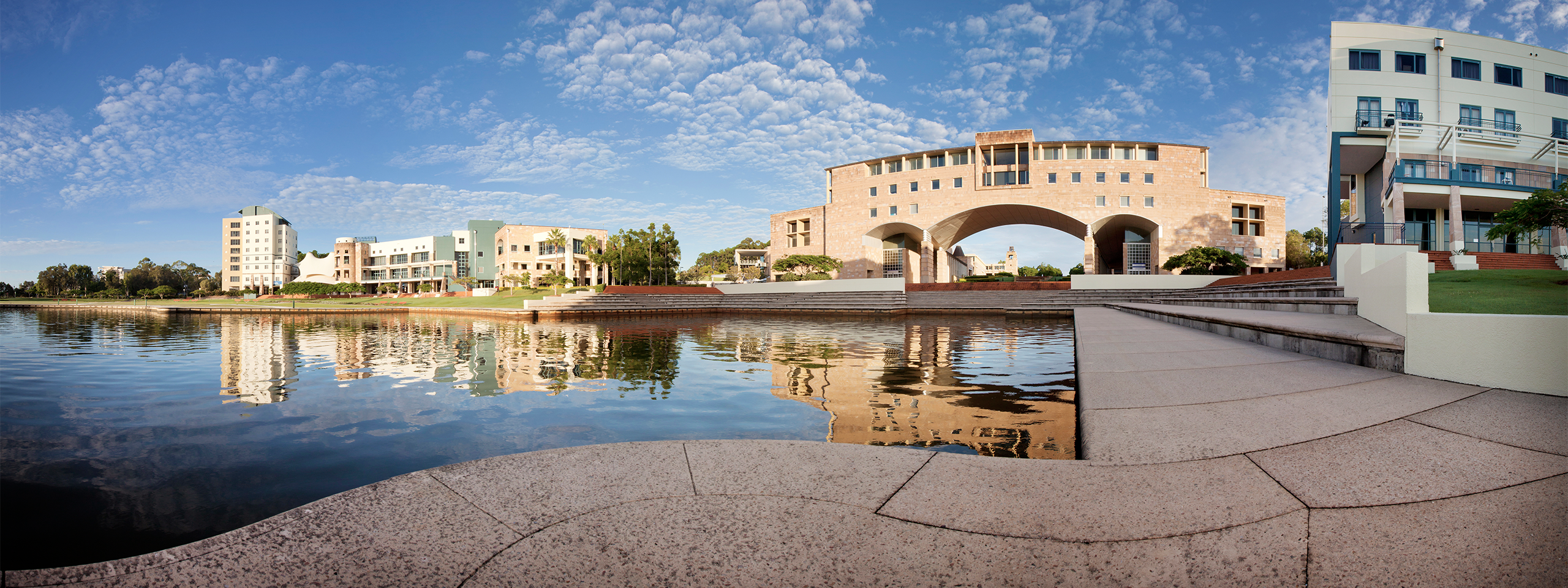
Bond University, Australia’s first private not-for-profit institution located in Robina on the Gold Coast, is seeking a dedicated Maintenance & Operations Supervisor to join its Office of Facilities Management. This full-time continuing role offers an annual salary commencing at $99,108.89 plus 12% superannuation, along with a comprehensive benefits package that includes free staff car parking, a 36.75-hour standard work week, generous parental leave provisions, salary packaging options, study assistance, and access to onsite wellness facilities such as a medical centre, counselling services, and a sports centre with gym and pool.
The position plays a vital part in ensuring the university’s diverse campus operates smoothly, safely, and to the highest standards. With its emphasis on personalised student experiences and accelerated degree programs, Bond relies on seamless behind-the-scenes operations to support teaching, research, events, and daily campus life.
The Critical Role of Facilities Management in Australian Universities
Facilities management encompasses the strategic oversight of buildings, infrastructure, and support services that enable an institution to function effectively. In higher education settings across Australia, this discipline ensures that campuses remain safe, energy-efficient, and conducive to learning. Universities manage complex multi-building environments that include lecture theatres, laboratories, libraries, sports facilities, accommodation, and outdoor spaces, all of which require coordinated maintenance to prevent disruptions.
Effective facilities leadership directly influences student satisfaction, staff productivity, and institutional reputation. Poorly maintained environments can lead to safety risks, higher long-term costs, and negative impacts on recruitment and retention. In contrast, proactive operations support the delivery of high-quality education and research activities while accommodating events, graduations, and community engagement.
Australian universities face unique pressures, including population growth in major cities, evolving regulatory requirements around work health and safety, and the need to adapt spaces for hybrid learning models. Skilled supervisors help navigate these demands by balancing planned upkeep with responsive problem-solving.
Key Responsibilities of the Maintenance & Operations Supervisor
In this hands-on leadership position, the successful candidate will coordinate both preventative and reactive maintenance programs across the campus. Preventative maintenance involves scheduled inspections and servicing of systems such as HVAC, electrical, plumbing, and structural elements to minimise breakdowns, while reactive maintenance addresses urgent issues as they arise.
Core duties include leading and developing an in-house team of maintenance officers, fostering a culture of safety, accountability, and excellent customer service. The supervisor prioritises work orders, allocates resources efficiently, and monitors performance to maintain service standards. Managing external contractors is another essential aspect, ensuring all works comply with university standards, timelines, and safety protocols.
Event support forms a significant component of the role. This involves planning and directing internal teams alongside specialist contractors for venue setups, marquees, furniture arrangements, and infrastructure needs during functions, conferences, and major university occasions. The ability to juggle these operational demands while responding to changing priorities is crucial in a dynamic campus environment.
Compliance with Work Health and Safety (WHS) legislation, risk management frameworks, and industry best practices underpins all activities. The supervisor also identifies opportunities for process improvements that enhance efficiency and service delivery.
Required Skills, Qualifications, and Experience
Ideal candidates bring proven leadership experience in facilities, maintenance, or operations within complex, multi-building settings such as universities, hospitals, hotels, convention centres, or large commercial precincts. Demonstrated success in coordinating preventative and reactive maintenance programs, along with contractor oversight, is essential.
Strong organisational abilities enable effective management of competing priorities, while excellent communication and stakeholder engagement skills facilitate collaboration across departments. Knowledge of maintenance practices, WHS requirements, and risk management ensures regulatory adherence and operational resilience.
Qualifications or substantial experience in facilities management, building services, or a related discipline are preferred, alongside proficiency with standard office software for reporting and documentation. A current Class C Driver Licence supports on-campus mobility. Experience supporting events or large-scale venue operations provides additional advantage.
Career Pathways and Compensation in Australian Higher Education Facilities Roles
Positions like the Maintenance & Operations Supervisor represent important stepping stones in facilities careers within Australian higher education. These roles often lead to advancement into operations management, estate management, or broader facilities director positions. The sector values professionals who combine technical expertise with leadership and strategic thinking.
Compensation packages in the field typically include base salaries in the mid-to-high five figures for supervisory levels, supplemented by superannuation, leave loadings, and benefits tailored to institutional settings. Working in higher education offers additional perks such as professional development opportunities, flexible arrangements where possible, and the satisfaction of contributing to educational outcomes.
With growing demand for skilled facilities professionals driven by campus expansions and infrastructure renewal, individuals with relevant experience find strong prospects across public and private universities nationwide.
Challenges Facing University Maintenance and Operations Teams
Facilities teams in higher education navigate several ongoing challenges. Budget constraints can limit investment in upgrades or new technologies, requiring creative prioritisation of resources. An aging workforce and skills shortages in trades and management add pressure to recruitment and retention efforts.
Balancing day-to-day operational demands with longer-term strategic planning remains difficult, as does integrating new sustainability initiatives or digital tools without disrupting services. Event coordination adds variability, with peak periods requiring rapid scaling of resources.
Regulatory compliance, particularly around safety and environmental standards, demands continuous attention and documentation. Supervisors must foster adaptable teams capable of responding to unexpected issues while maintaining high service levels for students, staff, and visitors.
Emerging Trends Shaping Facilities Management in Higher Education
Contemporary practices in university facilities management increasingly incorporate data-driven decision-making, space utilisation optimisation, and sustainability measures. Technologies such as computerised maintenance management systems (CMMS) enable better tracking of assets and predictive maintenance, reducing downtime and costs.
Space optimisation has gained prominence as institutions seek to maximise existing infrastructure amid enrolment fluctuations and evolving pedagogical needs. Collaboration between facilities, academic, and administrative teams supports more efficient campus use.
Sustainability efforts focus on energy efficiency, waste reduction, and environmentally responsible procurement, aligning with broader institutional and national goals. While adoption of advanced technologies like AI for predictive analytics is progressing cautiously, early implementations show promise in enhancing operational resilience.
These trends underscore the evolving nature of the Maintenance & Operations Supervisor role, which now blends traditional hands-on leadership with forward-looking process improvements.
Why Bond University Stands Out as an Employer
Bond University distinguishes itself through its commitment to innovation, student-centred education, and staff wellbeing. As a smaller, independent institution, it fosters a collaborative environment where contributions are visible and valued. The Gold Coast location provides an enviable lifestyle with access to beaches, parks, and a vibrant community.
Staff benefits extend beyond standard provisions to include wellness programs, onsite support services, and opportunities for professional growth. The university’s emphasis on diversity and inclusion creates an welcoming workplace for individuals from varied backgrounds.
Joining the facilities team at Bond means contributing directly to an institution recognised for teaching excellence and a transformative student experience, all while enjoying the stability of a continuing appointment in a supportive setting.

Actionable Insights for Prospective Applicants
Those considering this opportunity should review the full position description and selection criteria carefully. Tailoring applications to highlight relevant leadership experience, contractor management successes, and event coordination examples strengthens candidacy. Demonstrating knowledge of WHS principles and a commitment to continuous improvement aligns well with the role’s expectations.
Networking within facilities management professional associations or attending sector events can provide additional context on current practices. Preparing for interviews by considering scenarios involving prioritisation, team development, and contractor oversight prepares candidates to showcase their capabilities effectively.
The Broader Impact of Strong Facilities Leadership on University Success
Effective maintenance and operations underpin every aspect of university life. Reliable infrastructure supports uninterrupted teaching and research, while well-managed spaces enhance the overall campus atmosphere. Events coordinated seamlessly contribute to community building and institutional prestige.
By investing in experienced supervisors, universities like Bond ensure their physical environments reflect their commitment to excellence. This investment yields returns in student attraction and retention, staff satisfaction, and operational efficiency over the long term.
The Maintenance & Operations Supervisor position offers a meaningful way to influence these outcomes while advancing a career in a dynamic and rewarding sector.


