
Discover a Rewarding Path in Tropical Marine Science
James Cook University in Cairns is offering an outstanding opportunity for a dedicated Research Worker to join its renowned TropWATER team. This full-time fixed-term role, running until August 2027, focuses on advancing marine and coastal research programs across northern Australia. The position supports critical work in habitat mapping, ecological monitoring, and the sustainable management of vital coastal ecosystems.
Located at the Cairns Nguma-bada campus in Tropical North Queensland, the role provides hands-on involvement in projects that combine field-based science with collaborative partnerships. It emphasises respectful engagement with Traditional Owners and Indigenous ranger groups, ensuring that research outcomes benefit Sea Country management and conservation efforts.
About TropWATER and Its Global Impact
The Centre for Tropical Water and Aquatic Ecosystem Research, known as TropWATER, stands as Australia’s premier tropical aquatic research group. Based at James Cook University, it brings together expertise from across the institution to address challenges in water science, resource management, and the ecology of aquatic ecosystems. With more than 150 staff and over 100 postgraduate students, TropWATER conducts influential studies that inform policy and practice both locally and internationally.
Its seagrass research group is one of the largest in the country, boasting over 40 years of experience monitoring habitats across the Great Barrier Reef, Great Sandy Strait, and northern Australia. This work supports broader efforts to understand and protect tropical marine environments facing pressures from climate change, coastal development, and other human activities.
Core Responsibilities of the Research Worker Position
In this role, you will contribute directly to collaborative marine and coastal projects. Key duties include assisting with field surveys, data collection, and analysis using spatial and analytical tools. You will help prepare reports and support the development of long-term monitoring programs that track changes in seagrass meadows, coastal ecosystems, and benthic habitats.
The work often involves small boat operations at sea, organising logistics for field trips, and maintaining equipment safely. Data handling requires proficiency in tools such as ArcGIS Pro or QGIS for spatial analysis, along with R for statistical work. Reporting and scientific writing form an important part of the position, ensuring findings reach stakeholders and contribute to ongoing research initiatives.
Partnerships with Traditional Owners are central, requiring culturally respectful approaches that incorporate Indigenous knowledge alongside western scientific methods. This co-designed research strengthens outcomes for conservation and community-led management of marine resources.
Essential Skills and Desired Qualifications
Successful candidates will bring demonstrated experience in marine research, including boat-based fieldwork and logistical coordination. Strong organisational abilities, time management, and the capacity to meet deadlines while handling competing priorities are essential. Proficiency in Microsoft Office applications, geographic information systems software, and statistical programming supports the technical demands of the role.
Excellent verbal communication and interpersonal skills help build effective relationships within multidisciplinary teams. Experience working collaboratively with Indigenous communities, observing cultural protocols, and supporting free, prior, and informed consent processes is highly valued.
Additional desirable attributes include species identification skills for coral, seagrass, and fish, familiarity with underwater sampling equipment or drone operations, and relevant boating qualifications such as a Coxswain certificate. These elements enhance the ability to contribute immediately to active projects.
The Importance of Seagrass and Coastal Ecosystem Research
Seagrass meadows play a vital role in tropical marine environments. They provide habitat for diverse species, stabilise sediments, improve water quality, and act as significant carbon sinks. In northern Australia, these ecosystems support fisheries, protect coastlines from erosion, and contribute to the health of the Great Barrier Reef.
Long-term monitoring programs help detect changes early, whether from rising sea temperatures, altered water flows, or other stressors. The data collected informs restoration efforts, such as large-scale seagrass planting initiatives, and guides management decisions that balance environmental protection with sustainable use.
By supporting these programs, the Research Worker position contributes to evidence-based strategies that enhance ecosystem resilience and deliver benefits for biodiversity, coastal communities, and the broader Australian environment.
Collaborative Approaches with Traditional Owners and Indigenous Rangers
Effective marine research in northern Australia increasingly relies on genuine partnerships with Aboriginal and Torres Strait Islander peoples. The role emphasises co-design, where Traditional Owners are recognised as the original custodians and knowledge holders of Country.
Projects incorporate two-way knowledge sharing, blending Indigenous ecological understanding with scientific methods. This approach improves research relevance, supports cultural protocols, and leads to more holistic outcomes for Sea Country management and conservation.
Such collaboration aligns with national priorities for Indigenous self-determination in research and environmental stewardship, fostering mutual respect and shared benefits.
Professional Development and Benefits at JCU
James Cook University offers a supportive environment for professional growth. Staff enjoy flexible working options, cultural leave, and access to wellbeing programs including an Employee Assistance Program and Fitness Passport.
Employment conditions include a generous superannuation scheme with up to 17 percent employer contributions, five weeks of annual recreation leave, and 15 days of paid sick, personal, or carers leave. Salary packaging options and professional development support further enhance the package.
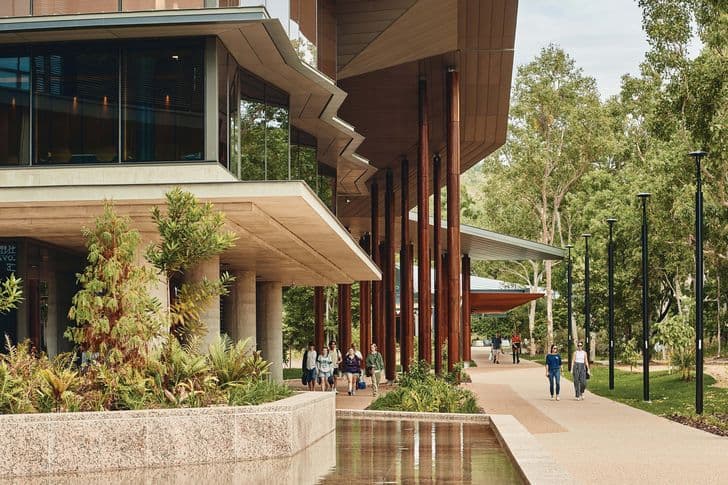
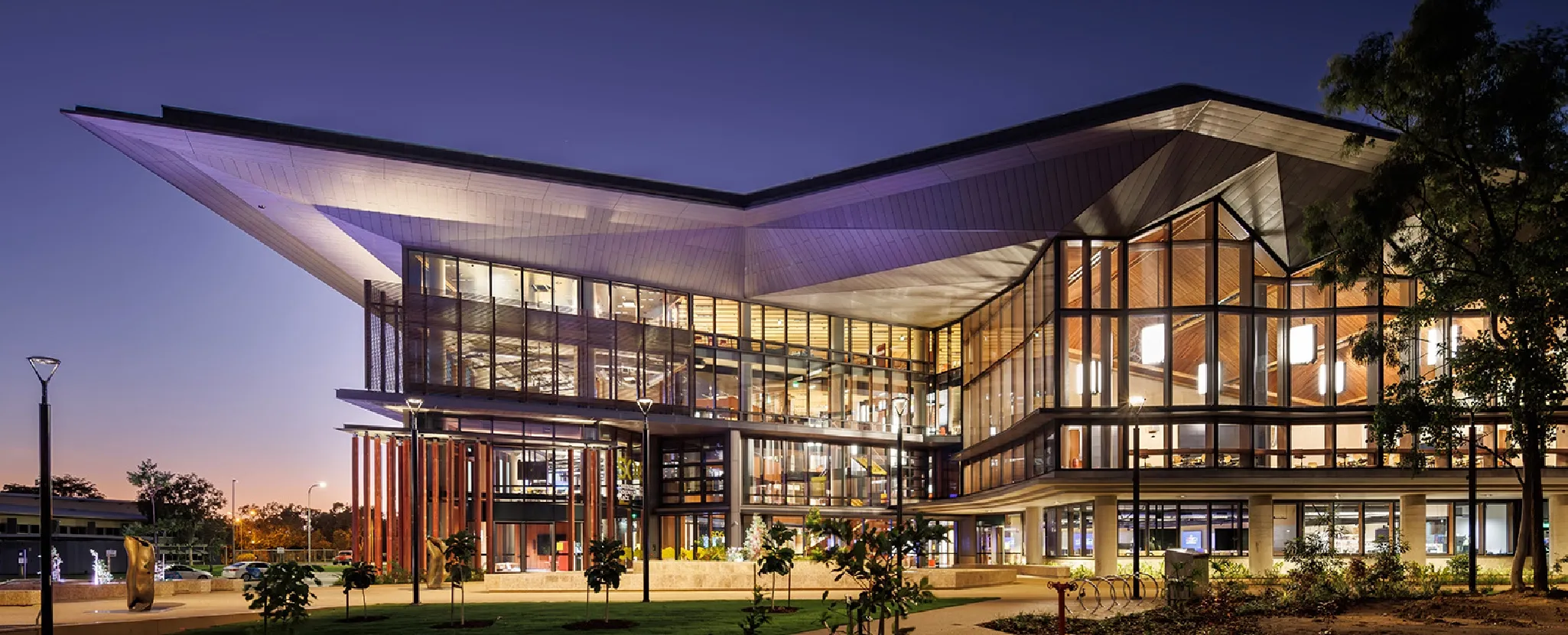
The Cairns campus provides a vibrant setting with modern facilities, cafes, and sporting amenities, all within reach of world-class tropical research locations.
How This Role Fits into Broader Australian Marine Research Landscape
Australia’s northern waters represent some of the most biodiverse marine environments globally. Institutions like JCU play a leading role in generating knowledge that supports national and international conservation goals. The Research Worker position offers a practical entry or advancement point for those passionate about applied marine science.
Opportunities in this field continue to grow as governments, communities, and industries seek better data to address environmental challenges. Roles that combine technical fieldwork with collaborative and analytical skills remain in demand across research centres, government agencies, and environmental organisations.
Future Outlook for Tropical Aquatic Research Careers
The demand for skilled research support professionals is expected to remain strong. Advances in remote sensing, data analytics, and restoration techniques open new avenues for impact. Positions that integrate Indigenous perspectives are particularly valued as Australia advances reconciliation and inclusive research practices.
Early involvement in long-term monitoring and habitat projects can lead to further opportunities in postgraduate study, specialised research, or leadership roles within the sector. The experience gained at TropWATER provides a solid foundation for contributing to solutions for climate resilience and sustainable marine management.
Taking the Next Step in Your Research Career
This Research Worker opportunity represents more than a job—it is a chance to contribute meaningfully to the protection of Australia’s tropical marine heritage. Whether you are building experience in fieldwork, data analysis, or community-engaged research, the role offers valuable exposure to high-impact projects.
Applications close on 13 July 2026, and interested candidates are encouraged to prepare a resume and cover letter that clearly addresses the key requirements. Details on how to apply are available through the official JCU careers portal.
For those exploring similar positions, resources at AcademicJobs.com provide additional listings and career guidance tailored to higher education and research roles across Australia.



.jpg&w=128&q=75)


