

Queensland University of Technology (QUT) is currently seeking a talented Senior Project Manager to join its Facilities Management team. This role represents a significant opportunity for experienced professionals looking to contribute to the development and maintenance of world-class university infrastructure in Australia. With campuses in Brisbane, including the vibrant Kelvin Grove and Gardens Point locations, QUT continues to invest in facilities that support cutting-edge teaching, research, and student experiences.
The position focuses on overseeing major capital projects, renovations, and ongoing maintenance initiatives that keep the university's physical environment aligned with its academic mission. In higher education, effective facilities management directly impacts everything from research productivity to student satisfaction and campus sustainability goals. Project managers in this space must balance technical expertise with stakeholder engagement, budget oversight, and compliance with regulatory standards.
Understanding the Role of Senior Project Managers in Australian Universities
A Senior Project Manager in a university setting handles complex, multi-million-dollar initiatives that range from new building constructions to upgrades of existing laboratories, libraries, and recreational spaces. These professionals coordinate with architects, engineers, contractors, university leadership, and end-users such as academics and students. The work requires strong leadership in navigating timelines, risks, and evolving priorities typical of dynamic educational environments.
At institutions like QUT, projects often incorporate sustainability features, accessibility improvements, and technology integration to support modern learning and research needs. For example, recent developments at Australian universities have emphasized energy-efficient designs and flexible spaces that can adapt to hybrid teaching models. A senior-level role demands proven experience in delivering projects on time and within budget while fostering collaboration across diverse teams.
Key responsibilities typically include developing project plans, managing procurement processes, conducting risk assessments, and ensuring adherence to health, safety, and environmental regulations. Success in this position also involves mentoring junior staff and providing strategic advice to senior executives on long-term campus planning.
Why QUT Stands Out as an Employer in Higher Education
QUT has established itself as a forward-thinking university with a strong emphasis on real-world impact and industry connections. Located in Brisbane, the capital of Queensland, the institution benefits from the region's growing economy and focus on innovation in sectors like health, education, and technology. Working at QUT offers professionals the chance to be part of a supportive community that values diversity, professional development, and work-life balance.
Employees at QUT enjoy competitive remuneration packages, access to professional development programs, and the satisfaction of contributing to projects that shape the future of education. The university's commitment to sustainability aligns with broader national goals, providing opportunities for project managers to implement green building practices and reduce the institution's environmental footprint.
Brisbane's lifestyle adds another layer of appeal, with its subtropical climate, outdoor recreational opportunities, and growing cultural scene. For those relocating, QUT's location offers convenient access to both urban amenities and natural attractions.
Essential Skills and Qualifications for Success
Candidates for senior project management roles in higher education typically hold a bachelor's degree in project management, engineering, construction management, or a related field. Advanced qualifications such as a Master's degree or professional certifications like PMP (Project Management Professional) or PRINCE2 are highly regarded.
Experience managing large-scale construction or renovation projects, preferably in the education or public sector, is essential. Proficiency in project management software, strong negotiation skills, and the ability to interpret complex technical drawings and contracts are also critical. Familiarity with Australian building codes, tendering processes, and environmental standards provides a significant advantage.
Soft skills play an equally important role. Effective communication, problem-solving under pressure, and the capacity to build consensus among stakeholders with varying priorities distinguish top performers. In a university context, sensitivity to academic calendars and the unique needs of research and teaching environments is particularly valuable.
The Impact of Facilities Projects on University Research and Teaching
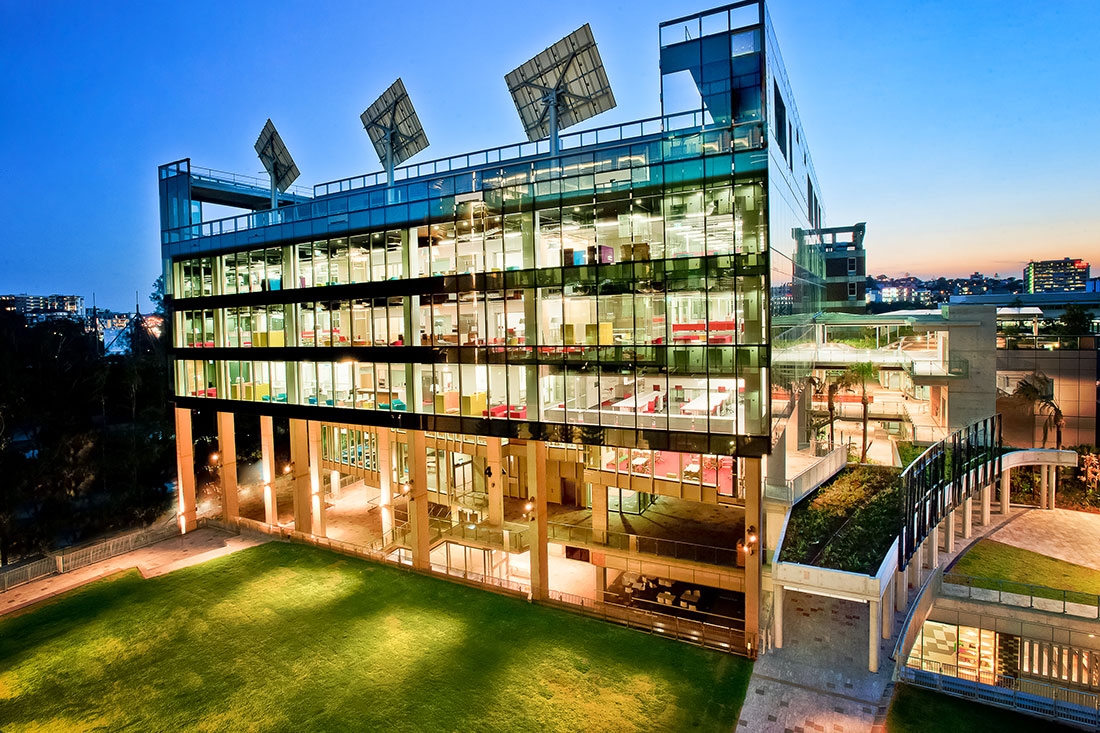
High-quality facilities directly influence a university's ability to attract top talent, secure research funding, and deliver exceptional student outcomes. Modern laboratories enable groundbreaking scientific discoveries, while updated lecture theatres and collaborative spaces foster innovative teaching methods. At QUT, ongoing investments in infrastructure support its strategic priorities in areas such as health innovation, digital futures, and sustainable futures.
Project managers contribute to these outcomes by ensuring that new and refurbished spaces meet the precise requirements of end-users. For instance, a research facility might need specialized ventilation, power supplies, and data infrastructure to accommodate sensitive equipment. Thoughtful project execution minimizes disruptions to ongoing academic activities, preserving productivity during construction phases.
Beyond immediate functionality, well-managed projects enhance the overall campus experience, promoting wellbeing and a sense of community. This holistic approach reflects the broader mission of higher education institutions to create environments where learning and discovery thrive.
Current Trends in University Facilities Management Across Australia
Australian universities are increasingly prioritizing sustainability, digital transformation, and inclusive design in their capital works programs. Government initiatives and funding opportunities support projects that align with national targets for carbon reduction and climate resilience. Project managers are at the forefront of integrating renewable energy systems, water conservation measures, and smart building technologies into campus developments.
Another emerging trend involves adaptive reuse of existing buildings to meet changing needs, such as converting traditional lecture halls into flexible learning hubs. This approach reduces costs and environmental impact while preserving institutional heritage. Collaboration with Indigenous communities is also gaining prominence, ensuring that new developments respect cultural significance and incorporate appropriate design elements.
These trends present exciting opportunities for senior project managers to lead innovative initiatives that set benchmarks for the sector. Staying abreast of best practices through professional networks and continuous learning is key to long-term success.
How to Apply and Prepare a Competitive Application
Interested candidates should prepare a detailed application that highlights relevant experience, achievements, and alignment with QUT's values. Tailoring the resume and cover letter to emphasize project outcomes, leadership examples, and sector-specific knowledge increases the chances of progressing to interview stages.
The application process typically involves submitting documents through the university's online portal, followed by interviews that may include behavioral questions and scenario-based assessments. Preparing examples of past projects using the STAR method (Situation, Task, Action, Result) can help demonstrate capabilities effectively.
Networking with current or former QUT employees and reviewing the university's strategic plan can provide valuable insights into institutional priorities. Demonstrating enthusiasm for contributing to higher education and understanding the unique challenges of campus environments strengthens an application.
Broader Career Pathways in Higher Education Project Management
Roles like the Senior Project Manager at QUT can serve as a stepping stone to more senior positions, such as Director of Facilities or Head of Capital Works. Experience gained in the university sector is highly transferable to other public institutions, government agencies, and private organizations involved in large-scale infrastructure.
Professionals in this field often pursue further specialization in areas like sustainability consulting, risk management, or digital project delivery. The demand for skilled project managers remains strong across Australia, driven by population growth, urban development, and the need to modernize aging infrastructure in educational institutions.
Building a robust professional network through associations such as the Australian Institute of Project Management or sector-specific groups enhances career prospects and provides ongoing learning opportunities.
Looking Ahead: The Future of Campus Development at QUT and Beyond
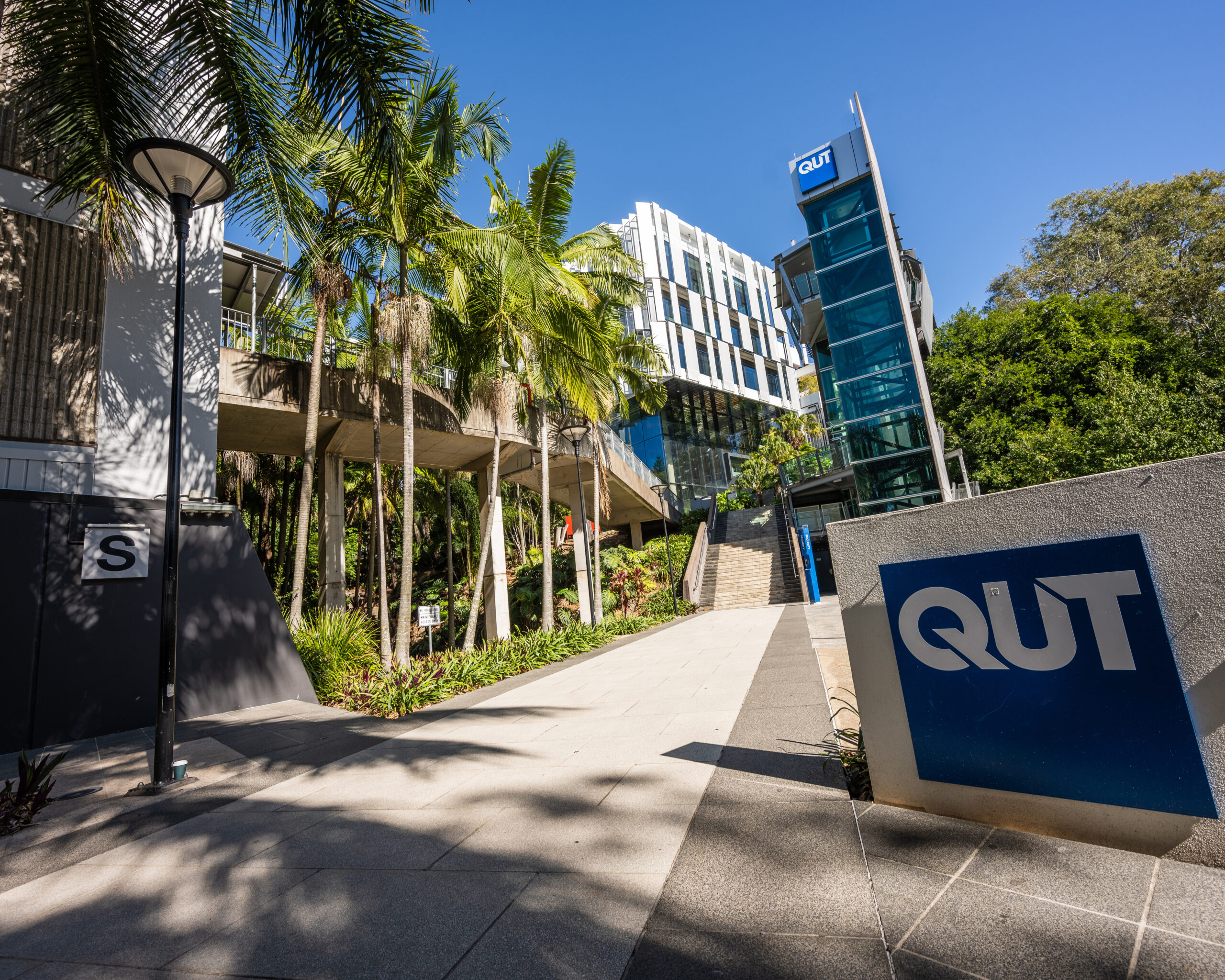
As QUT continues to evolve, future projects will likely focus on creating resilient, technology-enabled spaces that support lifelong learning and interdisciplinary collaboration. Senior project managers will play pivotal roles in realizing these visions while navigating economic, environmental, and social considerations.
The higher education sector in Australia faces both challenges and opportunities, including funding pressures and increasing expectations for operational efficiency. Skilled project leadership helps institutions optimize resources and deliver maximum value to students, staff, and the wider community.
For ambitious professionals, positions like this offer not only competitive compensation but also the intangible reward of shaping environments where the next generation of leaders and innovators are nurtured.
Explore similar opportunities and career resources in higher education by visiting AcademicJobs.com higher ed jobs. This role at QUT exemplifies the dynamic career paths available in Australian universities, combining technical expertise with meaningful contributions to education and research.


