Opportunities for experienced educators and industry professionals to contribute to teaching in one of Australia's leading communication programs continue to expand at Queensland University of Technology. The School of Communication regularly builds pools of sessional academics to support its dynamic undergraduate and postgraduate offerings in areas such as journalism, digital media, public relations, and strategic communication.
These flexible roles allow qualified individuals to bring real-world expertise into the classroom while maintaining other professional commitments. With communication and media studies at QUT ranked number one in Australia and 19th globally according to the latest QS World University Rankings by Subject, the school maintains high standards for both research and teaching excellence.
Understanding Sessional Academic Roles in Australian Higher Education
Sessional academics, often referred to as casual or adjunct staff in other contexts, play a vital part in delivering high-quality education across Australian universities. They typically handle tutorial facilitation, lecture delivery, assessment marking, student consultations, and unit coordination support on a temporary or as-needed basis.
Unlike ongoing or fixed-term positions, these arrangements offer flexibility that suits many professionals. At QUT, sessional staff are engaged to meet fluctuating teaching demands, particularly during peak semesters. The School of Communication specifically seeks candidates who can contribute across its broad range of study areas within the Bachelor of Communication and related degrees.
Successful applicants usually hold at least a postgraduate qualification relevant to communication fields, combined with current industry experience and demonstrated teaching or assessment capabilities. QUT provides induction and mandatory training to ensure all staff align with institutional standards for student support and inclusive practices.
QUT School of Communication: A Leader in Media and Digital Studies
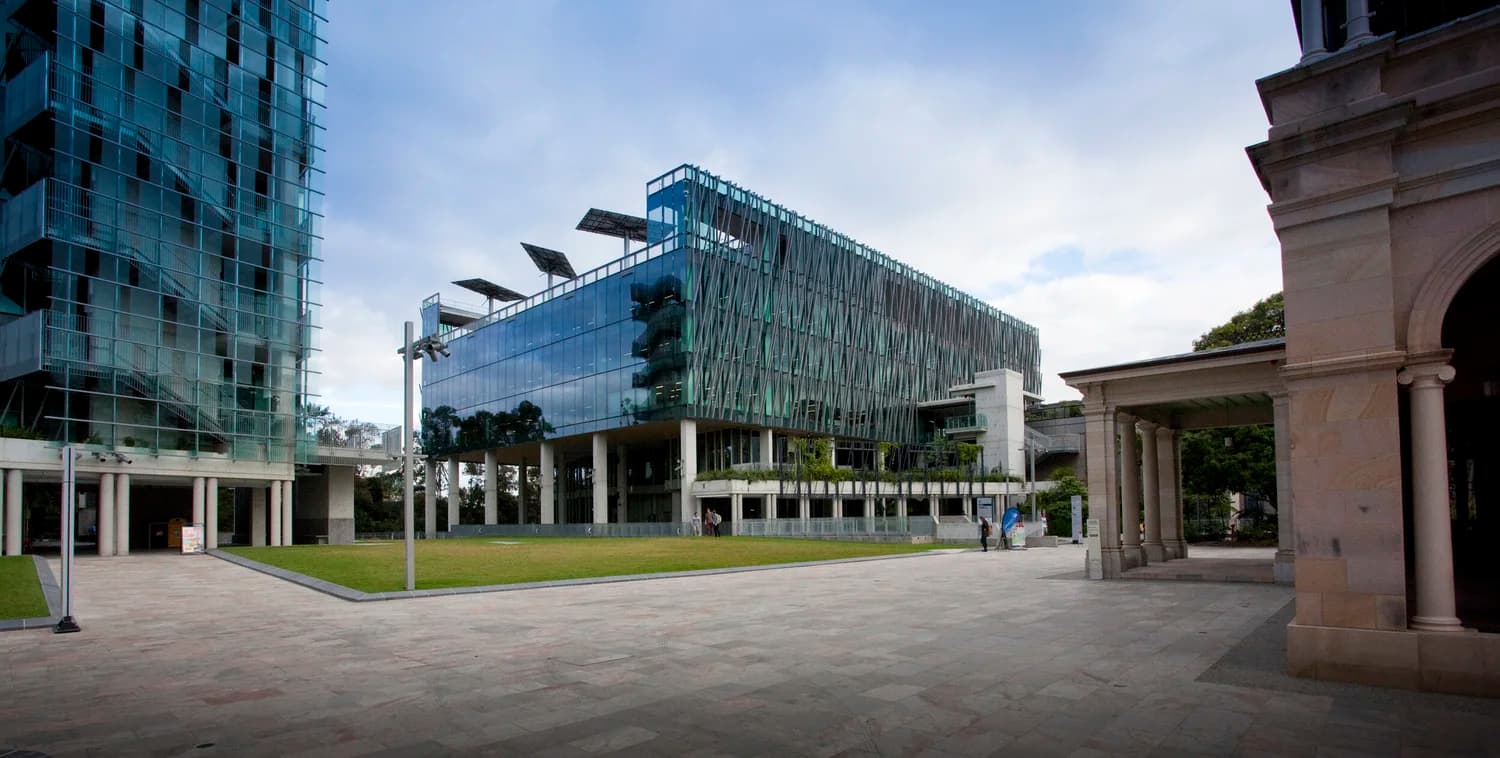
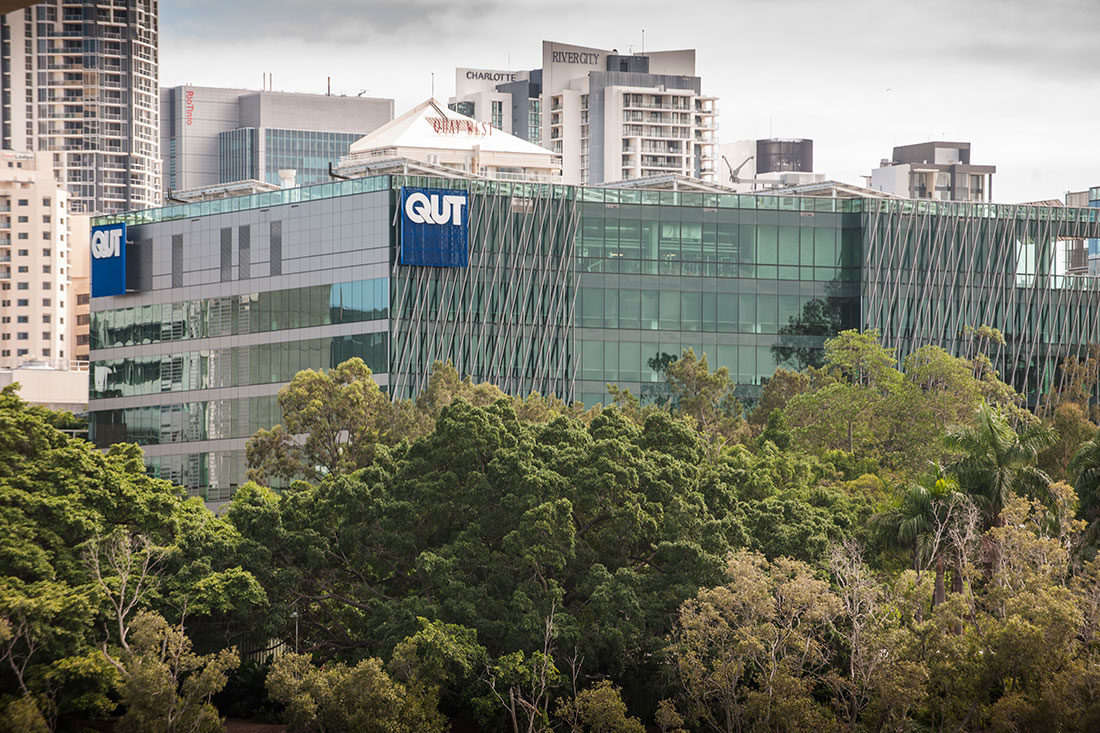
Located in Brisbane, the School of Communication forms part of the Faculty of Creative Industries, Education and Social Justice. It consistently earns top national and strong international recognition for its focus on contemporary media practices, digital platforms, and communication industries.
Programs emphasize practical skills alongside theoretical understanding, preparing graduates for careers in journalism, content creation, media production, public relations, and emerging areas like social media strategy and data-driven communication. Students benefit from access to industry-standard facilities and connections fostered through the school's strong ties to Brisbane's vibrant creative sector.
The school's research strengths in digital media, audience studies, and communication technologies further enhance the learning environment, with sessional academics often collaborating alongside permanent faculty on curriculum development and student projects.
Key Areas of Teaching Support Needed
The School of Communication covers diverse specializations that require sessional input. These include foundational units in media and communication industries, advanced journalism practices, digital content production, strategic communication campaigns, and research methods tailored to communication studies.
Candidates with expertise in evolving topics such as misinformation, platform governance, visual storytelling, or intercultural communication are particularly valued. Industry professionals from newsrooms, agencies, or digital startups bring authentic perspectives that enrich student learning beyond textbook theory.
Roles may involve both on-campus and blended delivery modes, reflecting the school's commitment to accessible education. Sessional academics often work closely with unit coordinators to ensure consistent student experiences across multiple tutorial groups.

Benefits of Joining as a Sessional Academic at QUT
Working in a sessional capacity at a leading institution like QUT provides numerous professional advantages. It offers a pathway to refine teaching skills, build a network within higher education, and stay current with pedagogical innovations in communication disciplines.
Many sessional staff appreciate the opportunity to mentor the next generation of media professionals while drawing on their own career experiences. QUT supports professional development, including paid modules in learning and teaching for eligible sessional academics.
The arrangement also supports work-life balance for those with ongoing industry roles, consulting work, or PhD studies. Remuneration follows the relevant enterprise agreement, with rates reflecting qualifications and responsibilities such as marking or lecturing.
Over time, strong performance in sessional roles can lead to further opportunities, including recommendations for fixed-term contracts or insights into full academic career pathways.
The Application Process and What to Expect
Interested candidates express interest through QUT's dedicated casual and sessional opportunities portal. Applications typically require a current resume highlighting relevant qualifications, industry experience, and any prior teaching history.
Once in the pool, profiles remain active for a set period, often up to 24 months. Unit coordinators then contact suitable candidates as teaching needs arise for specific semesters or units.
Selection emphasizes alignment between an applicant's expertise and the school's curriculum requirements. Demonstrating a commitment to student success, inclusive teaching practices, and ongoing professional growth strengthens an application.
Details on classifications, pay rates, and expectations are available on the university careers site, ensuring transparency for all applicants.
Broader Context of Sessional Staffing in Australian Universities
Sessional academics form a significant portion of the teaching workforce across the Australian higher education sector. They enable universities to respond agilely to enrollment fluctuations and introduce specialized knowledge from industry.
Institutions like QUT invest in supporting these staff through structured onboarding, access to resources, and opportunities for skill development. This approach helps maintain teaching quality while recognizing the contributions of casual educators.
Challenges such as variable workloads or limited access to some professional development are acknowledged, with many universities implementing targeted initiatives to improve support structures and career progression pathways for sessional staff.
Future Outlook for Communication Education and Academic Opportunities
The communication landscape evolves rapidly with advances in artificial intelligence, immersive media, and changing audience behaviors. Universities must prepare graduates accordingly, increasing demand for educators who combine academic credentials with contemporary industry insight.
Sessional roles at forward-thinking schools like QUT's School of Communication position contributors at the forefront of these developments. They allow ongoing engagement with cutting-edge topics while contributing to curriculum that addresses real societal needs around media literacy and ethical communication.
As higher education continues to emphasize practical, industry-aligned training, flexible academic positions will remain essential for delivering relevant, high-impact education.
Practical Advice for Prospective Applicants
Those considering a sessional role should review the specific study areas outlined in the School of Communication's offerings and align their application materials accordingly. Highlighting any experience with online or blended learning environments can be advantageous.
Networking through professional associations in journalism or communication, or attending QUT open events, can provide additional context. Maintaining an updated LinkedIn profile and academic CV also supports visibility for these opportunities.
Successful sessional academics often emphasize adaptability, clear communication with coordinators, and a genuine passion for student development in their approach.
Exploring Related Opportunities in Higher Education
Beyond this specific pool, QUT and other Australian institutions regularly advertise similar sessional and academic positions. Prospective candidates benefit from regularly checking university career portals and specialized job boards focused on the sector.
Resources on career development in higher education, including guidance on building teaching portfolios or transitioning from industry, offer valuable support for those exploring these pathways.
.jpg&w=128&q=75)
.jpg&w=128&q=75)