Exploring the Strategic Asset Planner Position at James Cook University
James Cook University (JCU) in Townsville, Queensland, is seeking a dedicated professional to fill the role of Strategic Asset Planner. This full-time continuing position within the Estate Directorate offers an opportunity to influence the management of a substantial university portfolio valued at approximately 1.3 billion dollars. The role focuses on developing and implementing optimised maintenance programs while overseeing the University's Strategic Asset Management Framework. Candidates will work to balance asset life cycles with operational needs, ensuring the institution's buildings, research infrastructure, and critical facilities perform at their best.
Located at the Bebegu Yumba campus in Douglas, the position operates at HEWL 8 level with a salary range of 111960 to 128567 dollars per annum plus up to 17 percent employer superannuation. Applications close on 19 July 2026. This opportunity aligns with JCU's commitment to education, research, and engagement in the tropics, where physical infrastructure supports both local communities and global initiatives.
Defining Strategic Asset Planning in Higher Education Contexts
Strategic asset planning involves a systematic approach to managing physical and infrastructure resources throughout their entire life cycle. This includes acquisition, operation, maintenance, renewal, and eventual disposal. In university settings, it ensures that facilities support core missions of teaching, research, and community outreach without unnecessary expenditure or risk exposure.
Professionals in this field apply frameworks such as those outlined in international standards for asset management. They analyse data on asset condition, usage patterns, and future requirements to inform decisions. For Australian universities, this practice helps address pressures from limited public funding, increasing regulatory requirements, and the need for sustainable operations amid climate considerations.
Effective planning reduces reactive maintenance costs and extends the useful life of assets. It incorporates stakeholder input from academics, students, and operations teams to prioritise investments that enhance learning environments and research capabilities.
JCU's Distinctive Estate and Operational Landscape
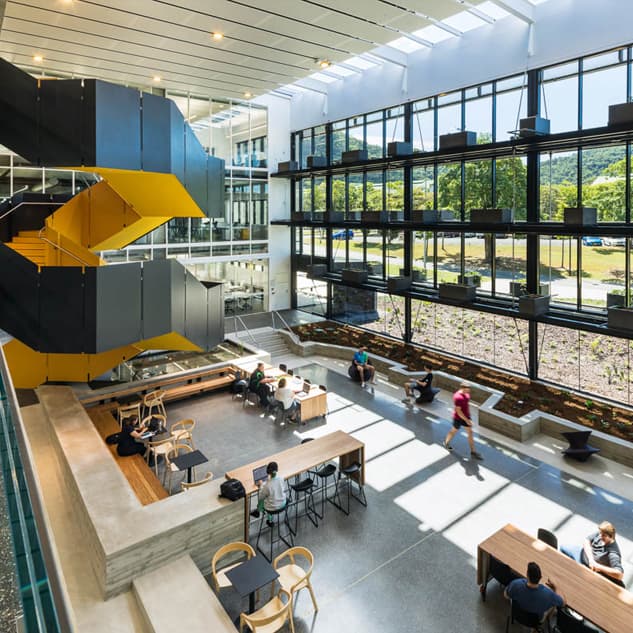
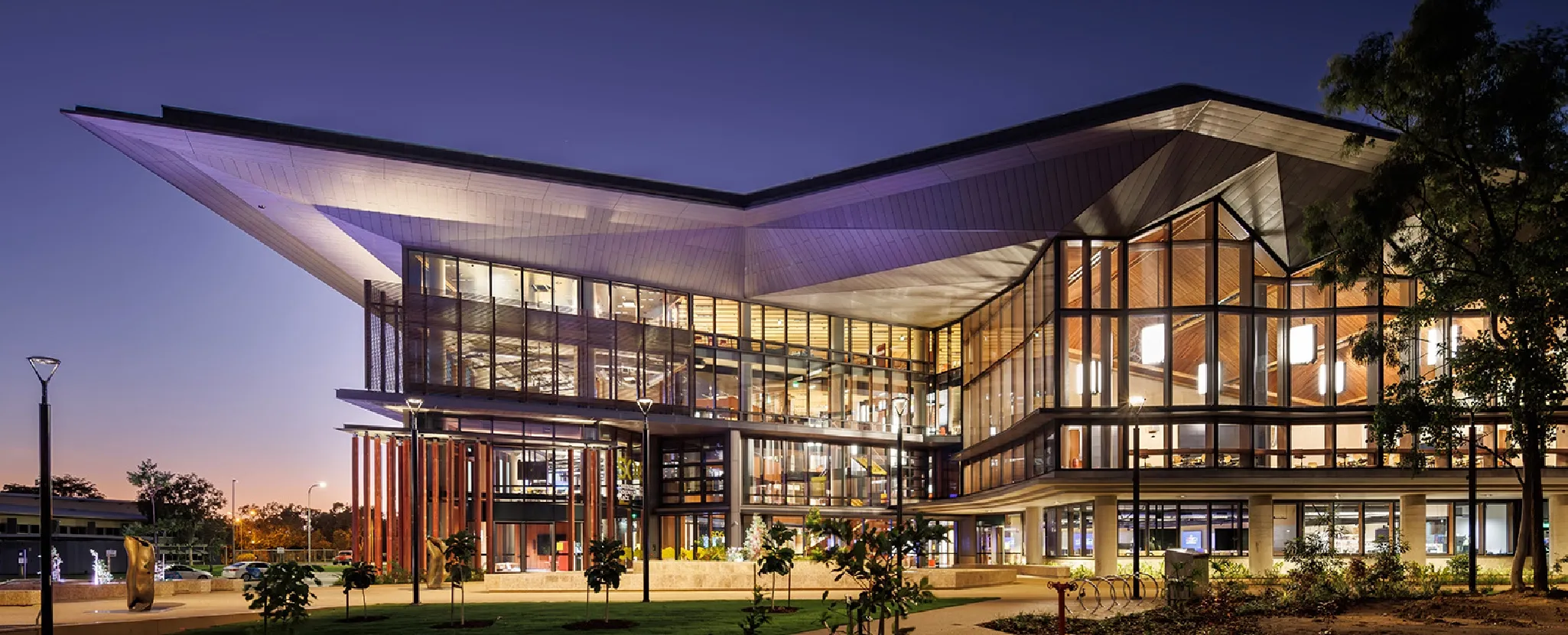
JCU operates across multiple campuses in North Queensland, with the primary Townsville site serving as a hub for diverse academic and research activities. The university's location in a tropical region presents specific considerations for asset durability, including resilience to extreme weather events and humidity-related challenges. The Estate Directorate oversees space allocation, maintenance requests, vehicle bookings, and parking, ensuring seamless support for daily operations.
With a focus on tropical expertise, JCU maintains specialised facilities such as marine research stations and environmental laboratories. These assets require tailored management strategies to preserve their functionality and safety standards. Recent developments, including innovation hubs and student accommodation projects, highlight ongoing investment in infrastructure that supports growth and accessibility.
The university's values emphasise people, education, place, and research. Asset planning directly contributes to these by creating environments that foster student success and scholarly output while respecting the unique environmental context of the region.
Core Responsibilities in Optimising University Assets
The Strategic Asset Planner leads the creation of maintenance programs designed to maximise performance and minimise downtime. This involves managing asset life cycles through detailed analysis of condition assessments, usage data, and replacement schedules. The role oversees the broader Strategic Asset Management Framework, aligning it with institutional goals for efficiency and risk reduction.
Key duties include mitigating risks across safety, financial, operational, and reputational dimensions. Compliance with Work Health and Safety regulations, Australian Standards, and statutory requirements forms a central part of the work. The planner collaborates with leaders across the organisation to deliver reports and guidance that keep stakeholders informed about asset status and recommendations.
Continuous improvement initiatives feature prominently, with opportunities to identify enhancements in processes and technologies. Leadership in stakeholder engagement ensures that diverse perspectives inform planning decisions, leading to more robust outcomes for the entire campus community.
Essential Qualifications and Competencies for Success
Applicants should be progressing toward a postgraduate qualification while bringing extensive experience in strategic asset planning within large, complex organisations. Familiarity with legislative and standards compliance is essential, particularly in environments handling specialised research infrastructure.
Strong communication abilities enable the translation of technical asset data into actionable insights for non-specialist audiences. Advanced analytical skills support critical thinking and problem-solving when addressing multifaceted challenges such as budget constraints or evolving regulatory landscapes.
Proven leadership in managing multi-level stakeholders helps drive consensus and implementation. A track record of identifying improvement opportunities demonstrates the capacity to contribute to long-term institutional resilience and operational excellence.
Broader Impacts on Teaching, Research, and Regional Communities
Well-managed university assets directly enhance the quality of educational experiences by providing reliable, modern spaces for lectures, laboratories, and collaborative work. Researchers benefit from infrastructure that meets precise technical specifications, enabling groundbreaking work in fields like marine science and tropical health.
Beyond campus boundaries, effective asset strategies support JCU's engagement with North Queensland communities. Sustainable facilities reduce environmental footprints and contribute to regional economic stability through employment and procurement opportunities. Students and staff enjoy improved wellbeing in environments designed with safety and accessibility in mind.
Financial prudence in asset management frees resources for academic priorities, strengthening the university's competitive position in the higher education sector.
Addressing Compliance, Risk, and Sustainability Challenges
Australian universities navigate a complex regulatory environment that includes strict work health and safety obligations and environmental standards. Strategic asset planners play a vital role in embedding these considerations into daily operations and long-term plans.
Risk management extends to financial exposures from aging infrastructure or unexpected failures. By adopting lifecycle approaches, institutions can forecast needs and allocate budgets proactively. In tropical settings, additional layers involve preparing for cyclones, flooding, and heat impacts on building systems.
Sustainability emerges as a priority, with opportunities to incorporate energy-efficient upgrades and renewable integrations. These measures align with broader institutional commitments to environmental stewardship while delivering cost savings over time.
Future Directions for Asset Management in Australian Higher Education
Emerging trends point toward greater use of data analytics and digital tools for predictive maintenance and performance monitoring. Universities are increasingly viewing their physical assets as strategic enablers rather than mere overheads, integrating planning with overall institutional strategy.
Climate adaptation will gain prominence, particularly for institutions in vulnerable regions. Collaboration across the sector, through associations focused on tertiary facilities, supports the sharing of best practices and guideline development.
Professionals entering this field can expect evolving demands around technology adoption and cross-functional leadership, positioning them to influence how universities adapt to changing student expectations and research priorities.
Practical Steps for Prospective Applicants
Interested candidates should prepare a current resume and a cover letter that specifically addresses relevant experience against the role's key requirements. Highlighting achievements in asset lifecycle management, compliance projects, or stakeholder engagement strengthens applications.
Reviewing JCU's corporate strategy and campus master plans provides valuable context for tailoring submissions. Understanding the tropical operational environment adds depth to discussions of suitability during any selection processes.
This role represents a chance to contribute meaningfully to an institution with a clear sense of purpose in education and discovery.









.jpg&w=128&q=75)