Understanding the Financial Coordinator Role in U.S. Higher Education
In the dynamic landscape of American colleges and universities, financial operations form the backbone of institutional stability and growth. A Financial Coordinator plays an essential part in managing day-to-day fiscal activities, ensuring smooth processing of payments, accurate record-keeping, and compliance with complex regulations. These professionals bridge administrative needs with financial oversight, supporting everything from vendor payments to budget tracking in environments where resources are often stretched thin.
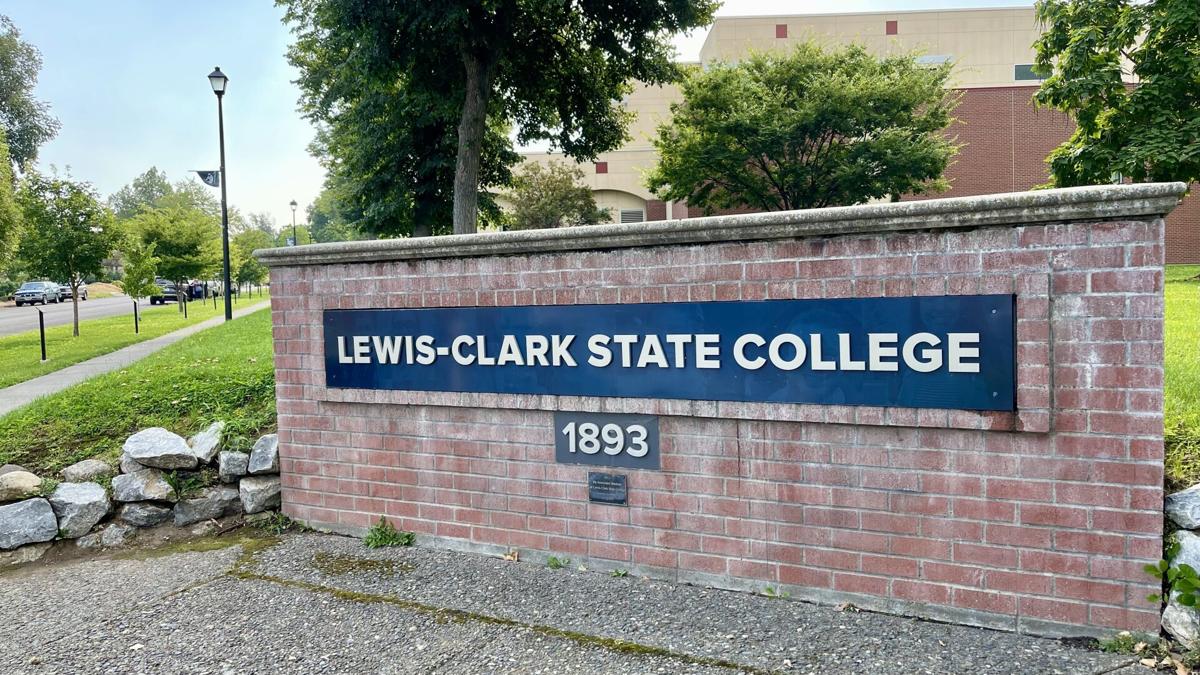
At institutions like Lewis-Clark State College in Lewiston, Idaho, such roles directly contribute to the efficient handling of accounts payable and related functions. With higher education facing evolving economic pressures, the demand for skilled coordinators who can navigate these responsibilities continues to rise.
Core Responsibilities of a Financial Coordinator
The typical duties of a Financial Coordinator in a university setting revolve around precise financial transaction management. This includes processing invoices, reconciling vendor statements, preparing documentation for audits, and maintaining accurate records in systems like document imaging platforms.
Step-by-step, the process often begins with receiving and verifying invoices against purchase orders and receipts. Coordinators then enter data into accounting software, ensure compliance with institutional and state policies, and coordinate payment runs on scheduled timelines. They also handle inter-departmental charges, cash advances when applicable, and support year-end close activities by compiling necessary work papers.
Additional tasks may involve collaborating with departments on proper documentation, responding to inquiries from vendors or internal staff, and assisting with quarterly or annual reporting. These responsibilities require attention to detail, familiarity with tools such as Microsoft Excel and Word, and a solid understanding of bookkeeping principles.
- Invoice processing and verification for accuracy and policy adherence
- Vendor reconciliation and payment scheduling
- Audit preparation and documentation support
- Management of direct deposits and vendor registration systems
- Coordination of inter-departmental financial transfers
The Specific Opportunity at Lewis-Clark State College
Lewis-Clark State College, a public institution serving students in Idaho with a focus on accessible education, is actively seeking a Financial Coordinator for its Controller's Office, specifically in Accounts Payable. This full-time position offers a salary range of $49,750 to $53,750 annually, along with benefits such as paid parental leave.
Candidates need a bachelor's degree in accounting, finance, or a related field, plus experience with standard office software and general bookkeeping or administrative procedures. The role emphasizes processing non-payroll disbursements accurately and timely, while adhering to state and institutional guidelines.
This opening represents a chance to join a supportive campus community in a scenic region, contributing directly to the college's operational efficiency. Those interested can explore the full details and submit applications through established higher education job platforms.
Current Trends Shaping University Finance Roles
Higher education institutions across the United States are navigating significant fiscal shifts. Recent data shows state appropriations per student experienced a slight decline in 2025 after years of growth, while enrollment has shown modest increases in some areas. Federal funding uncertainties, including potential reductions in research grants and changes to student aid programs, add layers of complexity.
Financial coordinators are increasingly vital as colleges emphasize operational efficiency, tighter budget controls, and enhanced compliance. Trends include greater reliance on data analytics for forecasting, stricter oversight of expenditures amid inflation in higher education-specific costs, and integration of digital tools for faster processing and transparency.
Reports from organizations tracking these developments highlight how institutions are adapting by streamlining administrative functions and prioritizing roles that support fiscal resilience.
Challenges Facing Higher Education Finance Teams
University finance departments encounter multiple hurdles, from managing fluctuating revenues to meeting rigorous reporting standards. Budget shortfalls in several states have prompted cost-cutting measures, while rising operational expenses related to salaries, technology, and compliance continue to pressure resources.
Grant management adds another dimension, requiring meticulous tracking of expenditures to satisfy federal and state requirements. Coordinators often play a key part in ensuring timely payments and accurate reconciliations that support these efforts without disrupting academic programs.
Additionally, the shift toward digital systems demands ongoing adaptation, as teams balance legacy processes with new platforms for invoicing, imaging, and reporting.
Essential Skills and Qualifications for Success
Success in this field typically starts with a strong educational foundation in accounting or finance. Beyond formal degrees, practical experience in bookkeeping, accounts payable, or similar administrative finance functions proves invaluable.
Key competencies include proficiency in spreadsheet software for data analysis and reporting, strong organizational abilities to handle multiple deadlines, and clear communication skills for interacting with vendors, departments, and auditors. Familiarity with higher education-specific accounting standards, such as those from GASB for public institutions, enhances effectiveness.
Problem-solving aptitude helps when addressing discrepancies or policy questions, while a commitment to accuracy supports institutional integrity during audits and reviews.
Career Pathways and Salary Insights
Entry into financial coordination roles often serves as a stepping stone within higher education administration. Professionals may advance to senior coordinator positions, budget analyst roles, or even controller or director-level responsibilities with additional experience and certifications.
National salary data indicates that financial coordinators in various sectors earn averages around $55,000 to $79,000 annually, with variations based on location, institution size, and responsibilities. In higher education specifically, compensation packages frequently include comprehensive benefits that add significant value, such as retirement contributions and professional development opportunities.
Those building careers in this area benefit from staying informed about sector-wide changes through professional associations and continuing education.
Impact on Institutional Success and Student Outcomes
Efficient financial coordination directly supports the broader mission of colleges and universities by freeing up resources for academic programs, student services, and faculty support. Timely payments to vendors maintain positive relationships and ensure uninterrupted operations, from campus maintenance to instructional materials.
When finance teams operate smoothly, institutions can better allocate funds toward scholarships, research initiatives, and infrastructure improvements that enhance the student experience. In an era of accountability, these roles help demonstrate responsible stewardship of public and private investments in education.
Future Outlook for Financial Roles in Academia
Looking ahead, the need for adept financial coordinators is expected to persist as higher education continues adapting to demographic shifts, technological advancements, and policy changes. Emphasis on sustainability, data-driven decision-making, and cross-functional collaboration will likely define successful teams.
Institutions that invest in these positions position themselves for greater agility in managing resources. For individuals considering this career path, the combination of stable demand, meaningful impact, and opportunities for growth makes it an appealing option within the higher education sector.
How to Pursue Opportunities Like This One
Prospective applicants should review detailed job postings carefully, tailoring resumes to highlight relevant experience in financial processing, software proficiency, and any higher education exposure. Preparing for interviews by researching the specific institution's mission, recent initiatives, and financial context can strengthen candidacy.
Networking through professional groups focused on higher education administration or finance can also open doors. Staying current with industry publications and reports provides valuable context for discussions about challenges and solutions in the field.
Applying promptly to openings, such as the one at Lewis-Clark State College, positions candidates well in a competitive yet rewarding job market.